“The evidence is there, the advantage is real, it’s not something women are making up and those who take action will capture it. If everyone took action imagine what change could be achieved. And if not us, then who?”
These were observations from Seri Renkin OAM, co-founder and executive director of The Dea Network, who was moderating the panel, “Beyond Intent: Turning Gender Evidence into Investment Action”. Curated by Alberts in recognition of the importance of gender diversity in investment and beyond, the panel featured on the opening day of this year’s Impact Investment Summit Asia Pacific in Sydney on 25 March.
Seri’s comment encapsulates the fact that we now know, irrefutably, the benefits of having gender diverse teams – in the workplace, in investment, in positions of leadership. Not because they’re nice to have, but because there is hard evidence that gender diverse investment teams improve risk-adjusted returns. That gender-balanced portfolios outperform. And that there is proven profitability to be gained from the untapped productivity opportunities made by closing the gender economic participation gap.
This isn’t new news, and while the wheel is slowly turning, there are plenty more gains to be made by shifting this gender evidence into greater investment action.
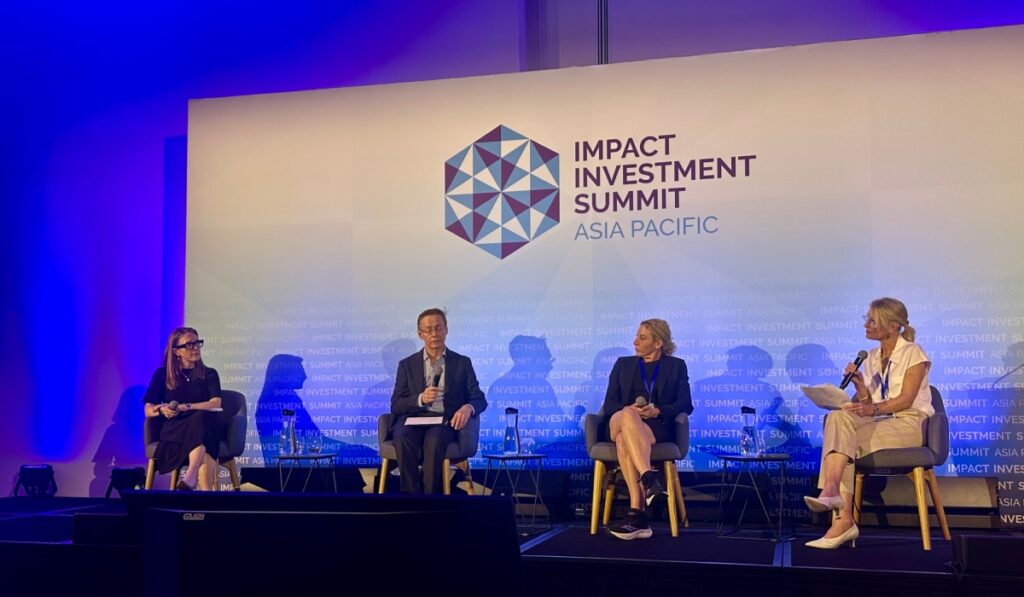
(From left): Kirsty Albert, Andrew Thomas, Sian Fenner and Seri Renkin.
Exploring the macroeconomic case, the institutional investment lens and the family office perspective – three critical paths of the ecosystem that shape how capital flows – were guest speakers Sian Fenner (Westpac’s Head of Business & Industry Economics), former Head of Investment Strategy & Asset Allocation at Rest Super and a former managing director at BlackRock, Andrew Thomas; and Kirsty Albert, Executive Director – Legal, Governance & People at Alberts, a fifth-generation family member working in the business and also a non-executive director of the Australians Investing in Women board.
The good news, according to Sian, is that Australia is seeing an increase in female participation rates, improving the capacity of the economy and increasing economic growth.
“It’s not just about getting females back into the labour market, it’s also diversity and what females can bring to the workforce,” Sian says, emphasising that the real benefits manifest when women are matched with jobs that maximise their skills, including in finance and senior management.
“There’s evidence this can improve productivity, in the US there’s a study that shows 40-60 per cent growth in productivity has been due to proper allocation of females where they’re in positions that match their skills; and research shows diversity in senior management leads to greater productivity gains,” adds Sian.
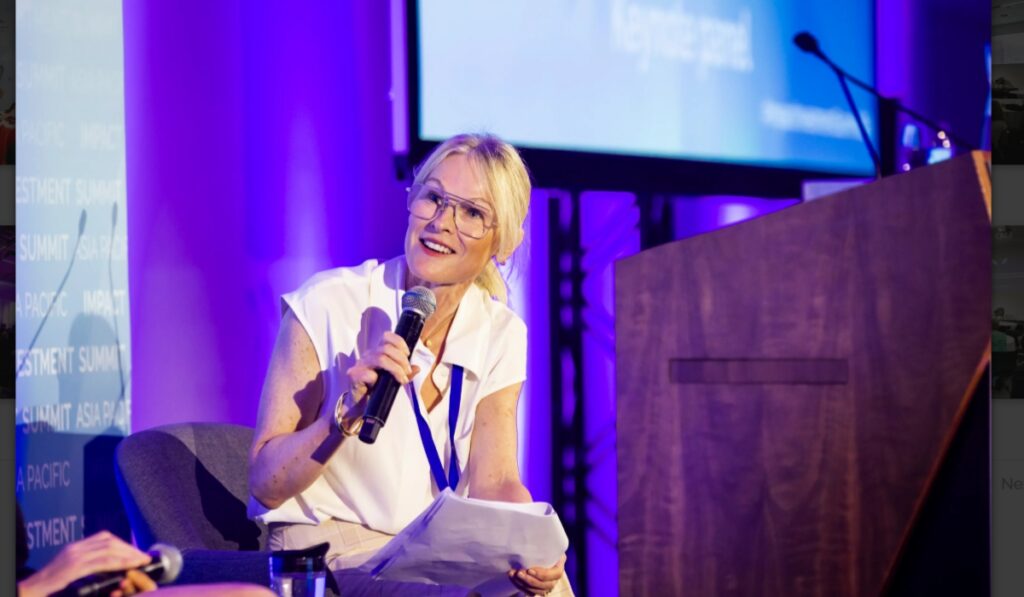
The Dea Network’s Seri Renkin moderated the panel, titled ‘Beyond Intent: Turning Gender Evidence into Investment Action’ (Oneill Photographics).
On this front Australia is falling behind. A 2023 Workplace Gender Equality Agency Australia (WGEA) report indicates that of the 52 per cent of women who make up the majority of the finance and insurance workforce only 24 per cent are in senior decision-making roles and face a substantial pay gap, earning around 22 per cent less than their male counterparts.
These are issues Rest is addressing head-on. The $100bn superannuation fund has its roots in the retail sector, its 2m members largely young and predominantly female.
“We see firsthand the impact for retirement outcomes for women – pay inequality, time out from the workforce for caring, part time and causal work – all resulting in poorer retirement outcomes,” says Andrew.
Rest has implemented a number of changes within the organisation to ensure better outcomes for women, including pay equality, gender neutral parental leave and flexible work. The company now has a 50:50 male:female split at general manager level and the pay gap has come down to 9.6 per cent.
Notes Andrew, “There’s still work to do but [it’s an improvement on] the broader financial industry [gap] of over 20 per cent.”
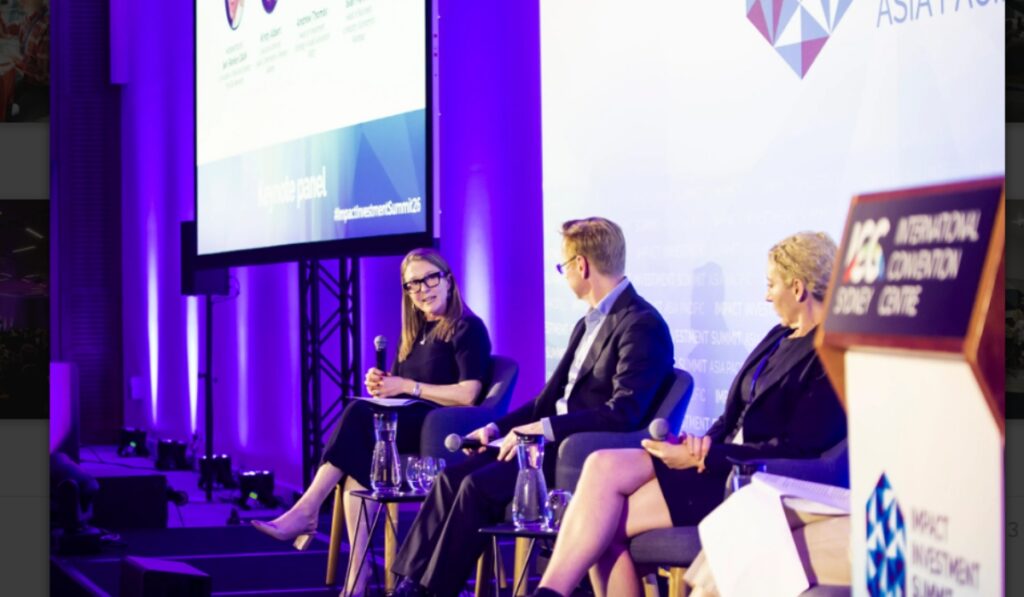
Alberts executive director Kirsty Albert (far left) spoke about how Alberts is driving gender equity through balanced leadership, gender-lens investing and industry advocacy (Oneill Photographics).
And it goes deeper than that. Rest has taken a systems approach to gender equity, building out the investment teams over the past five years from 21 per cent women in 2020 to more than 40 per cent today.
“Other things we’ve looked at have been the way we recruit, the way we design roles, how we think above development and retaining talent, how we set targets for senior people; and we partner externally with companies like Future Impact. There’s no one lever that works, it’s a combination of all those factors.”
Alberts has taken a similar systems-based approach to gender equity, embedding diversity and inclusion across all aspects of the business.
“The reason for that is the business case,” says Kirsty. “We know it leads to stronger economic returns and better business performance, but it will also lead to a fairer, more resilient society.”
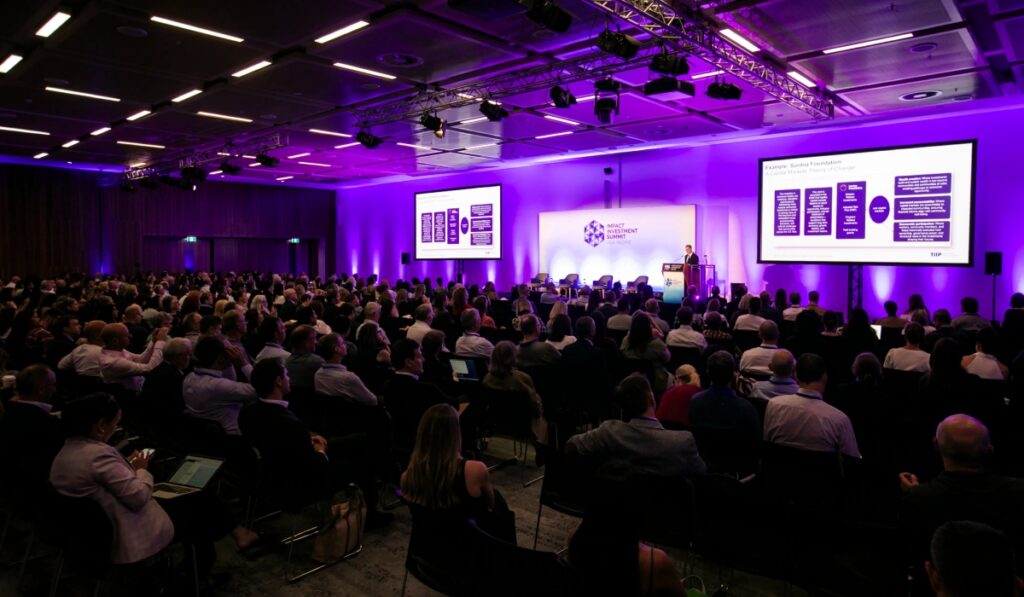
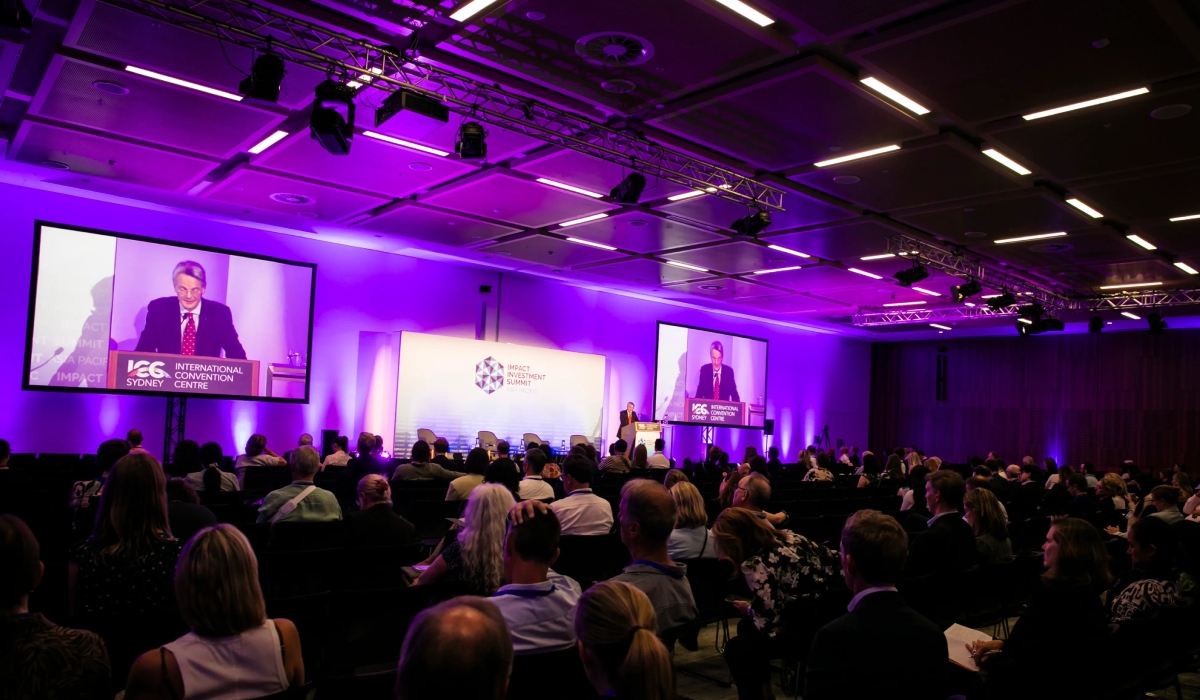
840 attendees turned out for the 2026 Summit at the ICC Sydney, on Gadigal Land (Oneill Photographics)
The company focused on three key levers to drive progress. Internally, Alberts prioritises gender diverse leadership, including a female board chair, female representation on its investment committee and a balanced senior leadership team. Like Rest, Alberts offers gender neutral paid parental leave including superannuation contributions and regularly benchmarks its policies to ensure they reflect leading practice.
Alberts, a certified B Corp and WORK180 Australia-endorsed employer, recently became a member of 2X Global, to learn from global best practice and strengthen how we apply a gender lens in our investment decisions over time” Kirsty says.
Additionally, the company thinks carefully about the role its capital plays and how it’s allocated, increasingly applying a gender lens before deployment. This includes asking fund managers about team composition, decision making diversity and their broader commitment to DEI. Through Alberts Impact Ventures, 43 per cent of capital has been allocated to female and mixed gender founding teams, not as a result of quotas, but as an outcome of diverse decision-making.
Thirdly, Alberts uses it voice to advocate for broader change, collaborating with organisations and initiatives including The Dea Network, the Gender Lens Investing Collaborative convened by Australians Investing in Women, and Equity Clear which is driving greater transparency around gender diversity in VC funding.
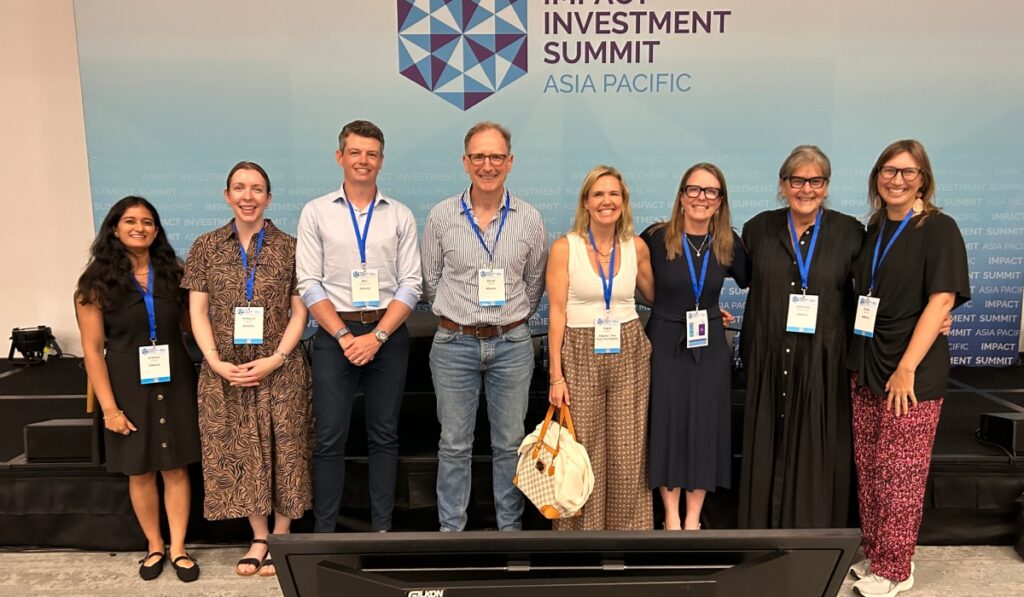
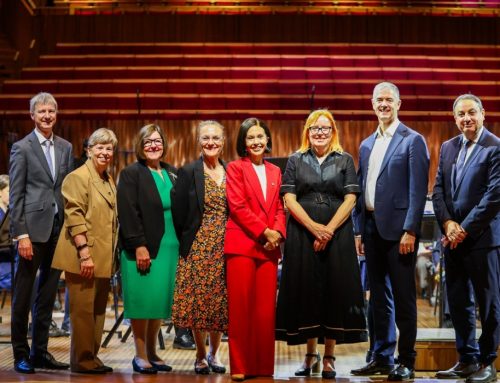
Alberts team members at the 2026 Impact Investment Summit Asia Pacific in Sydney on 25 March.
When it comes to who has the most power to accelerate change the panel pointed to asset owners as the most powerful lever – given their ability to influence where capital flows and what is prioritised in investment decisions, while boards and executives play a critical role in setting direction and accountability.
“They decide whether this is a cultural nice to have or a core capability” Andrew says. “And that’s really important”.
Kirsty agrees, emphasising the need for a systems-level approach.
“We also need to focus on the narrative,” says Kirsty. “In Australia, shifting entrenched gender norms matters – because when there’s a shared belief that gender equality drives better outcomes, that’s when we start to see it more consistently reflected in how capital is allocated.”
Feature image courtesy of Oneill Photographics/Impact Investment Summit Asia Pacific.