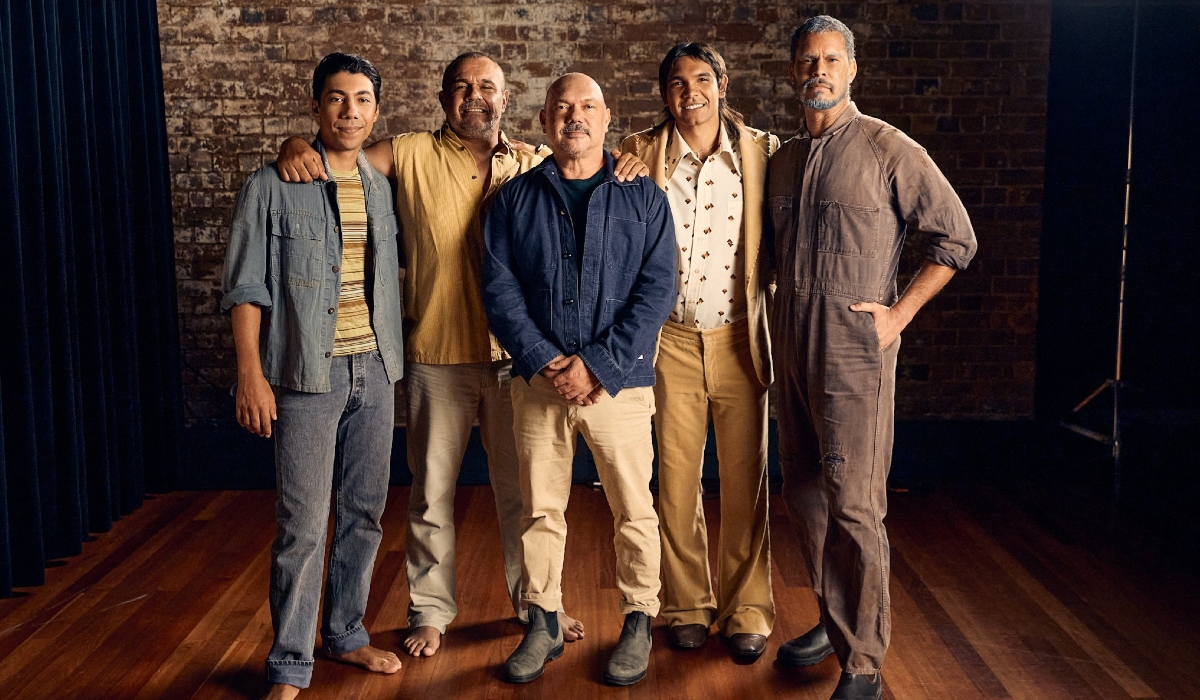
Fresh from starring in a major new TV series and with a Silver Logie nomination to his name, Hunter Page-Lochard has teamed up with his father Stephen Page AO to build what may be their most ambitious project yet: creating a home for the next generation of First Nations filmmakers.
With a father like Stephen Page, it is little wonder Hunter Page-Lochard has so many creative projects on the go. The AACTA award-winning actor-writer-producer has just come off a shoot in Brisbane for the upcoming ABC TV series Fortitude Valley, in which he plays one of the lead characters, detective Ethan Tobane. He is also the show’s co-creator, co-writer and co-producer.
Hunter also stars in the highly anticipated feature film Sweet Milk Lake that will debut at the Melbourne International Film Festival in August; and has been nominated for the 2026 TV Week Silver Logie award for best lead actor in a drama for the SBS series Reckless.
Now back in Sydney, he is returning his full attention and energy to his biggest and most personal production yet: Djali House Productions.
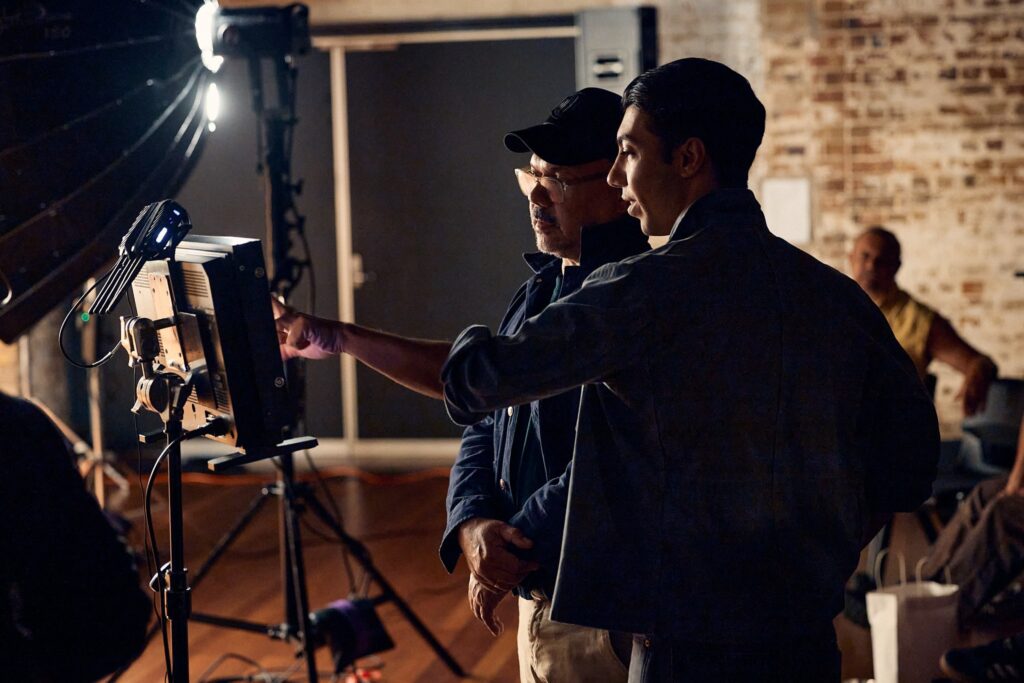
“Growing up, I had a front row seat to something pretty extraordinary,” says Hunter Page-Lochard of watching his father, Stephen Page, and uncles David and Russell, whose creative legacy has had a profound impact on Australian arts and culture.
Co-founded with Stephen and producer Huna Amweero, Djali House is a trailblazing film production company that will provide a base for First Nations storytellers, creating opportunities for the next generation of writers, directors, producers and creative leaders.
“Djali House came from the desire to continue my family’s legacy, through film,” says Hunter. “Growing up I had a front row seat to something pretty extraordinary. I watched my father Stephen, and my uncles David and Russell build Bangarra into one of Australia’s most important cultural institutions.”
For three decades, Stephen ran the acclaimed Indigenous dance theatre company Bangarra, bringing to life on stage myriad First Nations stories of land, culture and people. Working and creating alongside him for much of the journey were two of his brothers, both tragically no longer with us, dancer Russell and composer and Bangarra’s former music director David.
As Stephen was stepping away from Bangarra in 2023, Djali House was born.
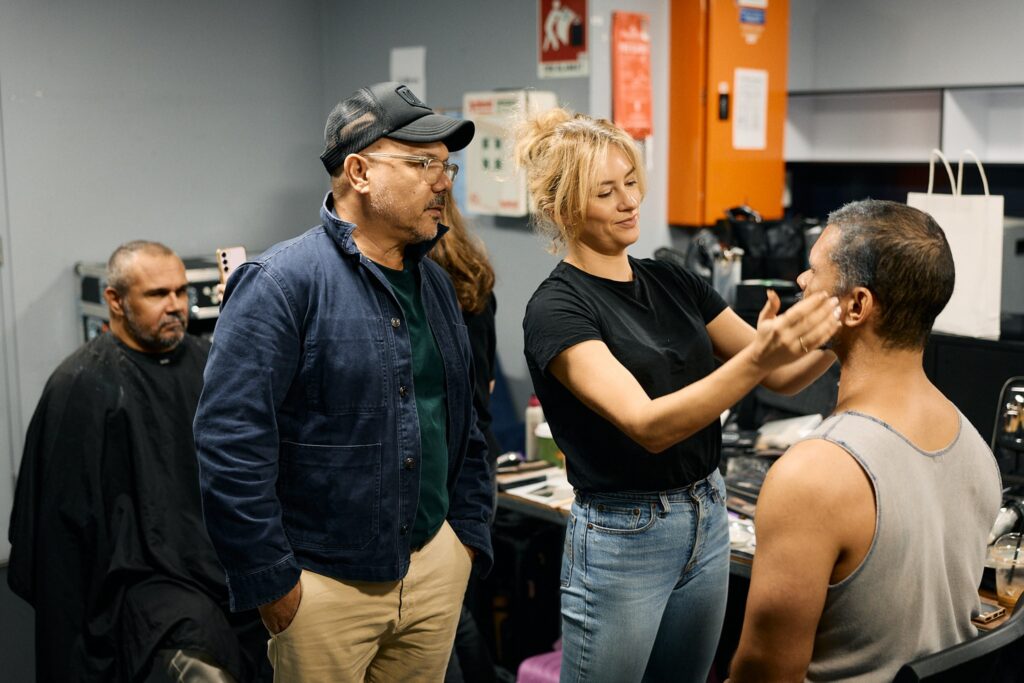
Songman director Stephen Page with Aaron Pedersen, who portrays David Page during one stage of his life, during a makeup test. “It’s 98% First Nations contemporary actors working on the film, and the hero is not a white person, it’s a Blak person. This is what’s great about the film,” says Stephen.
Named to reflect new beginnings – ‘Djali’ is one of Hunter’s Indigenous first names and means ‘new moon’ in Yugumbeh (Mununjali) – Djali House will support pioneering feature film projects devised by the co-founders, with a plan to ultimately invite other Aboriginal and Torres Strait Islander practitioners to create their own productions using Djali’s various creative departments, all run by First Nations practitioners, from design to music, art directors and camera operators.
While Djali House is not the first Aboriginal and Torres Strait Islander-led production company – Blackfella Films was co-founded by Rachel Perkins and Darren Dale in 1992 and continues to break new ground with series including Total Control, The Australian Wars and Redfern Now – Djali House will focus on feature films that tell distinctly new First Nations stories.
“We’re so used to the rural, oral history, Indigenous lens of Australian films, I call it the ‘red desert’ lens, and we don’t have a lot of urban Indigenous stories,” says Hunter.
Acknowledging the huge and impactful strides made by previous First Nations filmmakers including Warwick Thornton, Leah Purcell and Wayne Blair, Hunter says there is hunger globally for fresh, original content. During an international research and development trip, Huna and Hunter asked various industry people to describe their knowledge of Aboriginal and Torres Strait Islander Australian films.

Songman director Stephen Page with actor Taj Pigram during a makeup test. “We’ve watched Dad create our whole lives… Every time he creates something, it feels like you’ve never seen anything like it before,” says Hunter of his father’s vision for Djali House’s debut feature film.
“They said Rabbit Proof Fence and Samson & Delilah, which to me is only a very small window,” Hunter says. “Those stories needed to be told; now it’s time to tell the next story, stories that can be celebrated. A lot of those oral history stories are very bleak and force the audience to question their guilt and their history; and now it’s time to start celebrating. So that’s why I’ve devoted myself to.”
First up is Songman, a film that honours the legacy of David Page and celebrates the extraordinary life of the eighth of 12 Page children who grew up in a Queensland housing commission estate, became a top 10 child singing sensation on Countdown and The Paul Hogan Show; and later a multi award-winning composer, drag performer, musician and theatre maker.
“We want to enhance David’s legacy and what he contributed to the arts, especially Bangarra, the film and theatre industries, because he made an impact in all of them and inspired a lot of Indigenous artists,” Hunter says.
Although David starred in his own 2004 one-man show for Belvoir, Page 8; and Dubboo – Life of a Songman, Bangarra’s production celebrating David’s 25 years with the company debuted in 2018, Songman is a feature both David and Stephen had long dreamt of making.
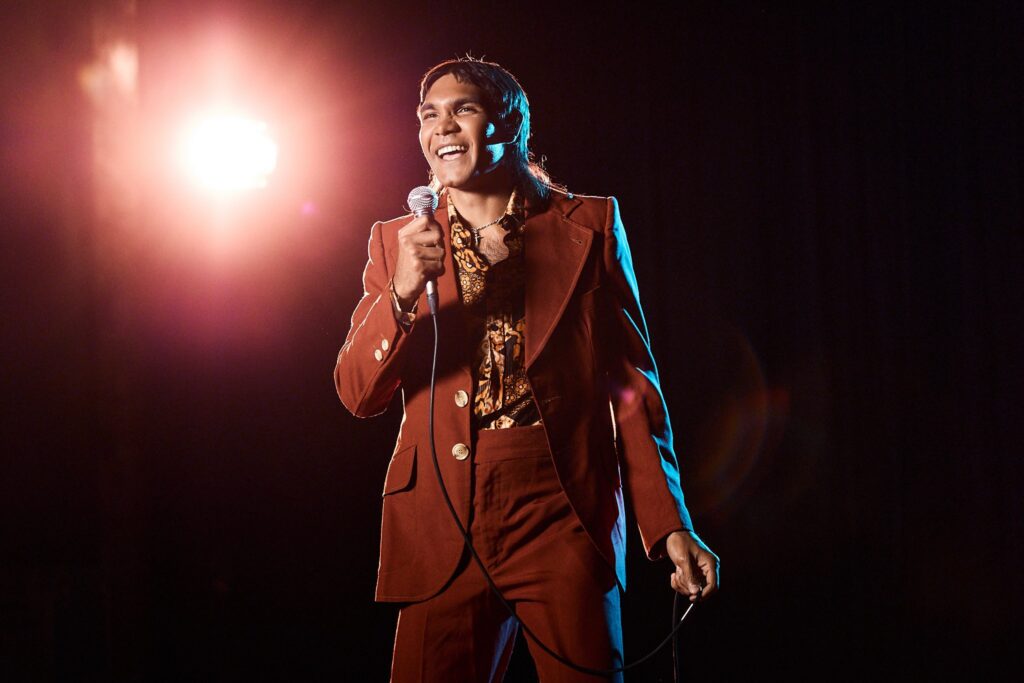
“He had this extraordinary life, so this story is full of all those ingredients,” says director Stephen Page of his late brother, David Page, who will be portrayed by Taj Pigram in Songman during one chapter of his life.
Co-written by Stephen Page and regular collaborator Alana Valentine, Songman will be shot on Country in Queensland’s Beaudesert and in Brisbane, directed by Stephen and co-starring Aaron Pedersen, Hunter and Taj Pigram as David in various stages of life; alongside Mark Coles-Smith, Shari Sebbens and Heartbreak High’s Sherry-Lee Watson, among many others. Production design, costumes and composition will be done by Jacob Nash, Jenny Irwin and Steve Francis respectively, all Bangarra alumni and all mentoring young First Nations creatives during the shoot.
Impact is key to Djali House, from mentoring and nurturing emerging Aboriginal and Torres Strait Islander creatives, to the film itself creating an ongoing positive impact for the local community and businesses where the Pages grew up and where the film is shot.
“We’ll work with Mununjali Elders, the Yugembah Land Council and local schools, community groups and businesses throughout production to make sure there’s that impact from making the film,” says Huna, adding that the custom-designed Queenslander house that is central to Songman will remain on Country, where it will become a local centre for storytelling, cultural knowledge and community practice.
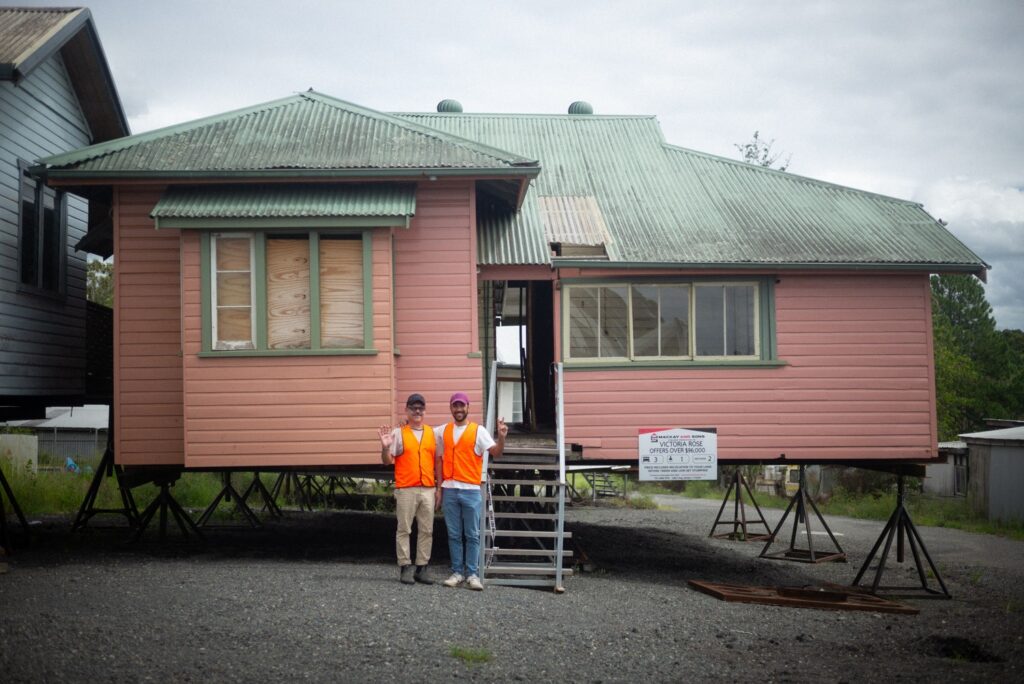
The film’s ‘Spirit House’ set-piece will remain on Country after production “and become a centre for storytelling, cultural knowledge, community practice,” says producer Huna Amweero.
It was this impact focus and the pioneering nature of Djali House and its co-founders that resonated with The Tony Foundation, the philanthropic arm of Alberts, who were the founding philanthropic supporters of Djali House.
“What spoke to us was the ambition they were building: a Blak-owned, First Nations-led production company with a bold vision for the future of Australian storytelling, says the Tony Foundations’ director, Ingrid Albert.
“At Alberts, we believe that storytelling through film can do far more than entertain, it can reach and activate wider audiences and amplify voices to shape a more vibrant and inclusive culture,” she adds. “Stephen, Hunter and Huna’s vision for Djali House will create a global platform for First Nations stories and artists and build pathways for the next generation of First Nations creatives.”
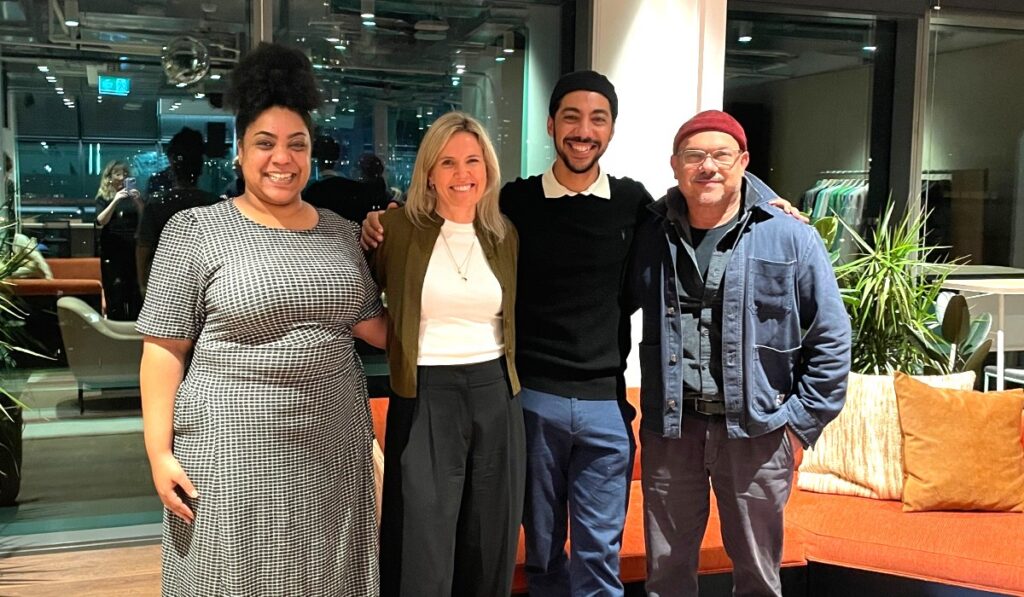
From left: Djali House co-founder and producer Huna Amweero, The Tony Foundation’s Ingrid Albert, alongside Hunter Page-Lochard and Stephen Page, in Sydney in June.
Given the experience and established reputations of Stephen, Hunter and Huna, a multi award-winning screenwriter and producer, Songman has already attracted funding from Screen Australia, other state film funding agencies and multiple philanthropists. Hunter is optimistic the modest funding shortfall in the production budget will be met; and is buoyed by the international recognition Djali House is already attracting.
“I really want Djali House to be in a position where we’re educational and offering pathways to First Nations practitioners,” Hunter says. “Throughout my career I’ve noticed we tend to give opportunities but not pathways, so I want to create those rather than just giving them the opportunity and throwing them out into the world, saying good luck.
We’ve got Indigenous practitioners in most departments on Songman, creating around 150 jobs. We’ve had a lot of First Nations people asking to be involved, we’re just not there yet. But we’ll get there!”
Songman will have its world premiere at the 2027 Adelaide Film Festival.
[Feature image, from left: Songman co-producer and actor Hunter Page-Lochard, actor Mark Coles Smith, director Stephen Page, actors Taj Pigram and Aaron Pedersen, courtesy of Djali House.]